« …at the heart of everything there is this void… a waiting, an ellipsis between all things… »
MIND THE GAP
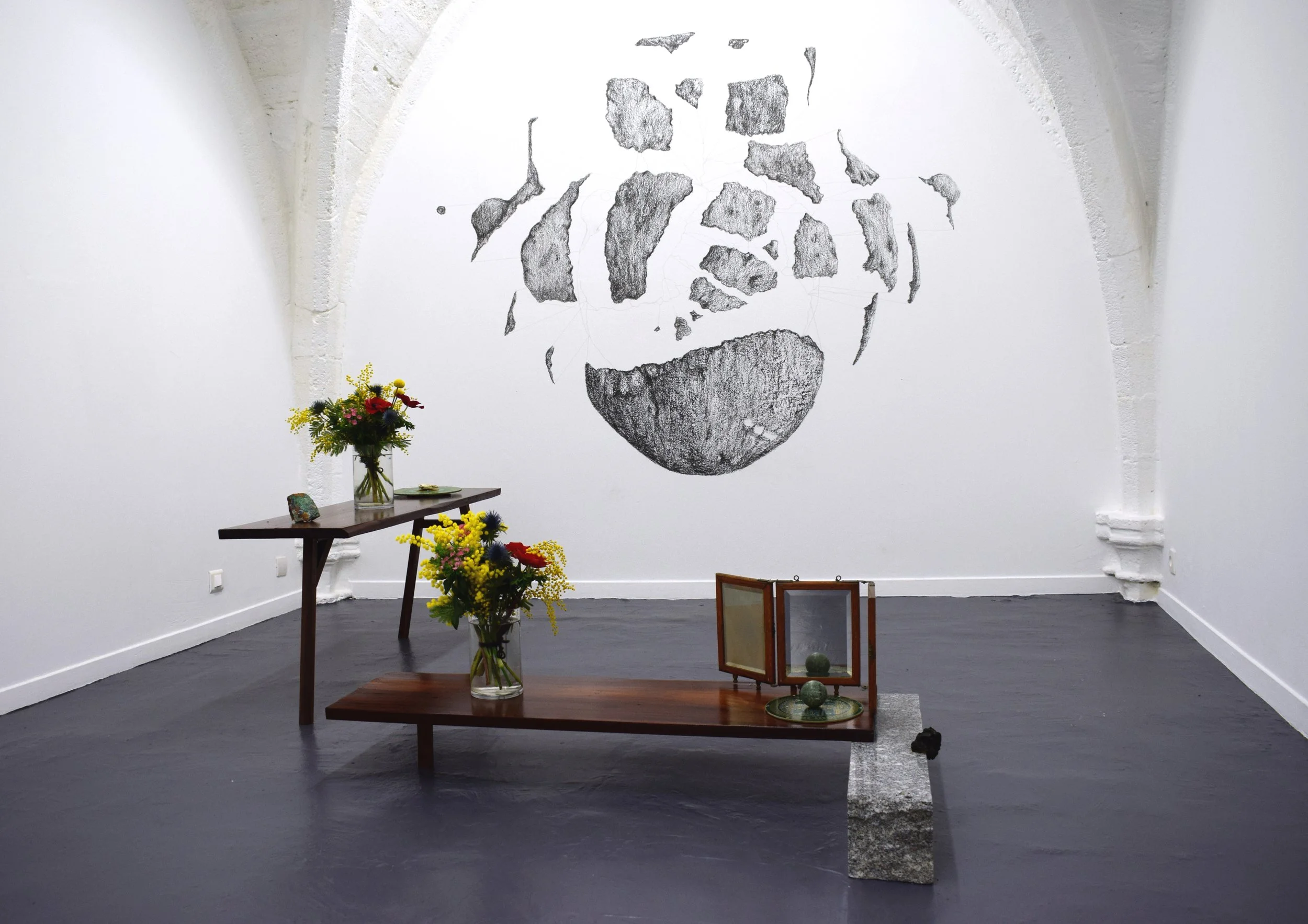
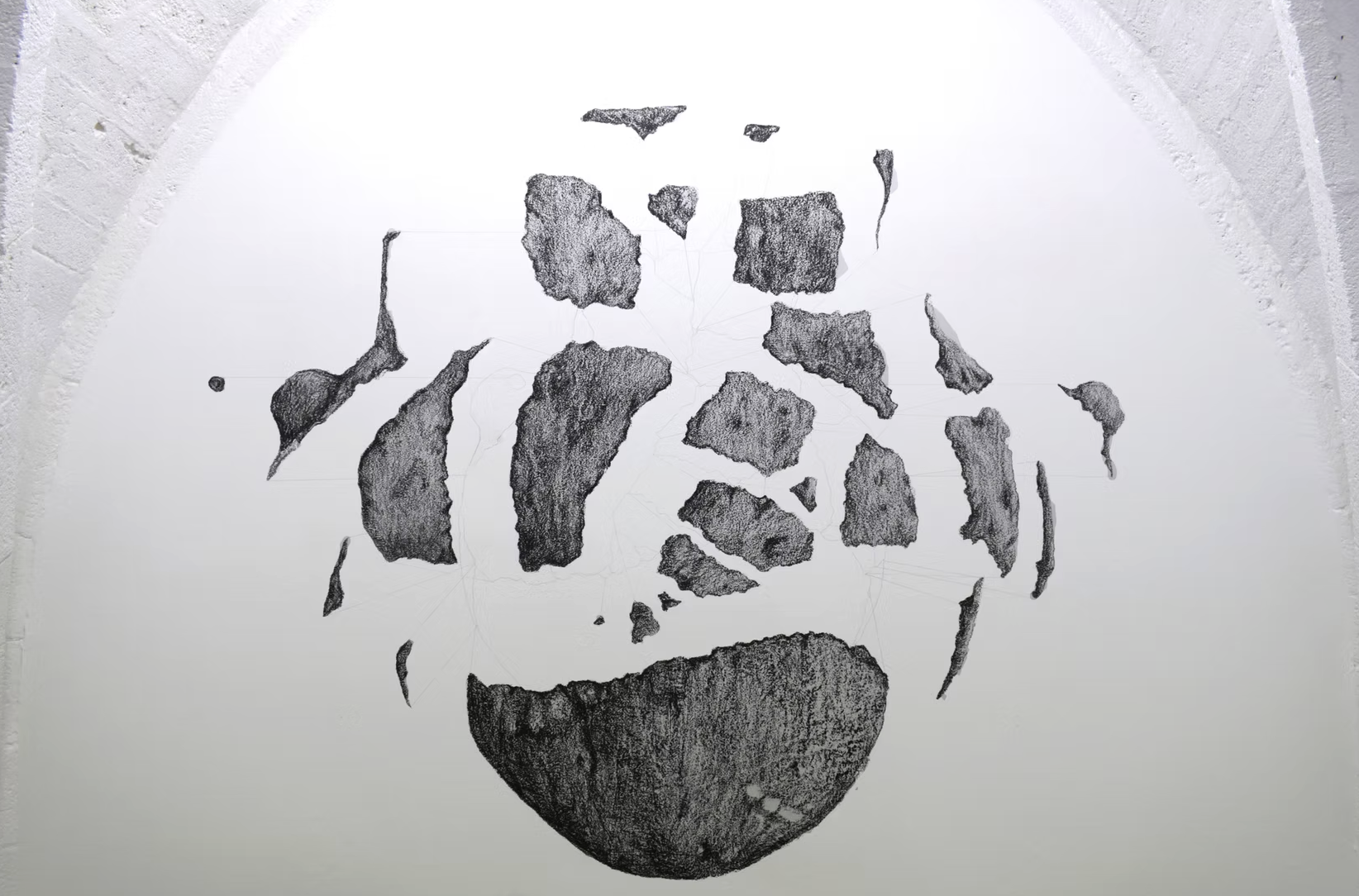
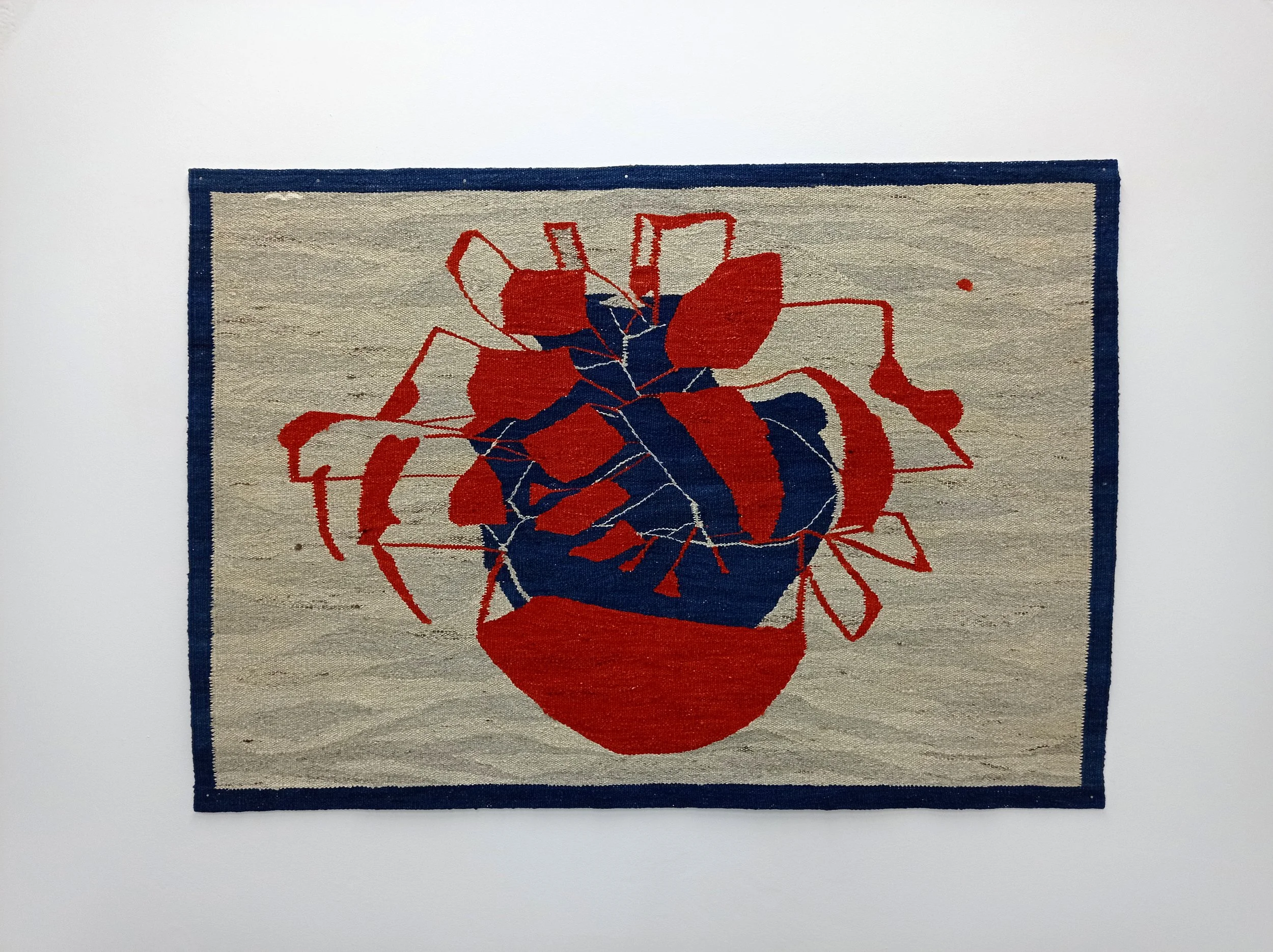
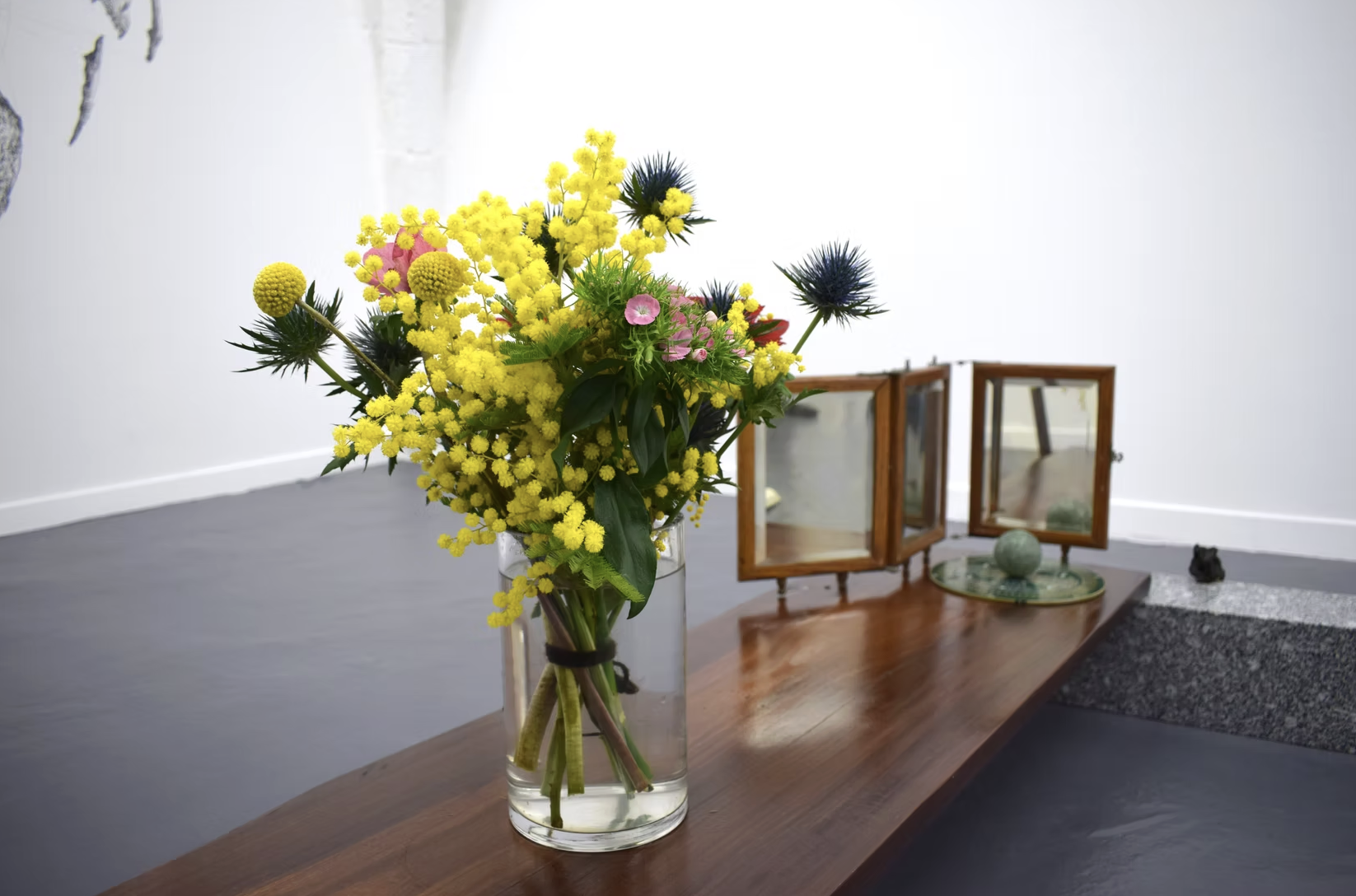
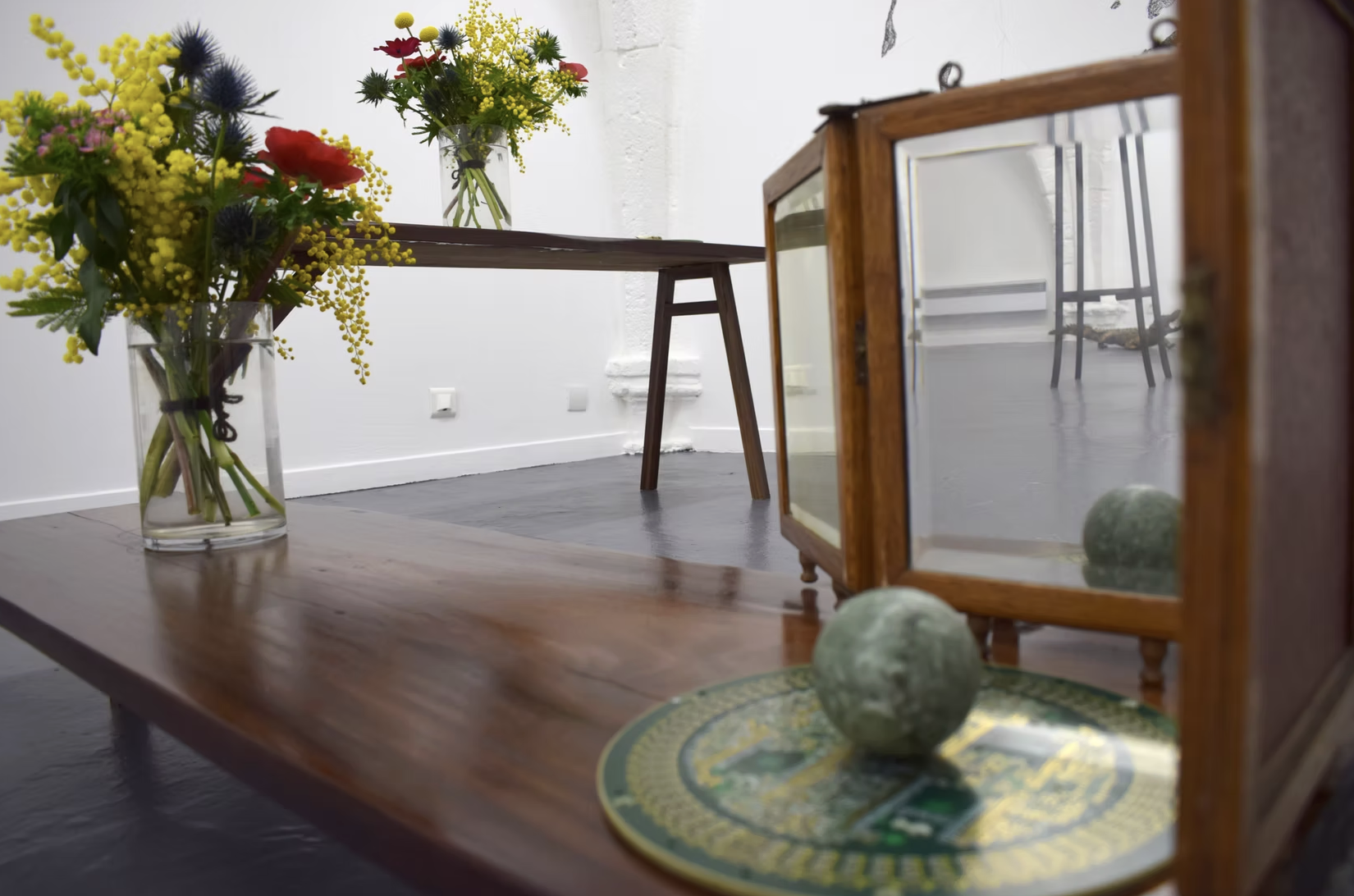
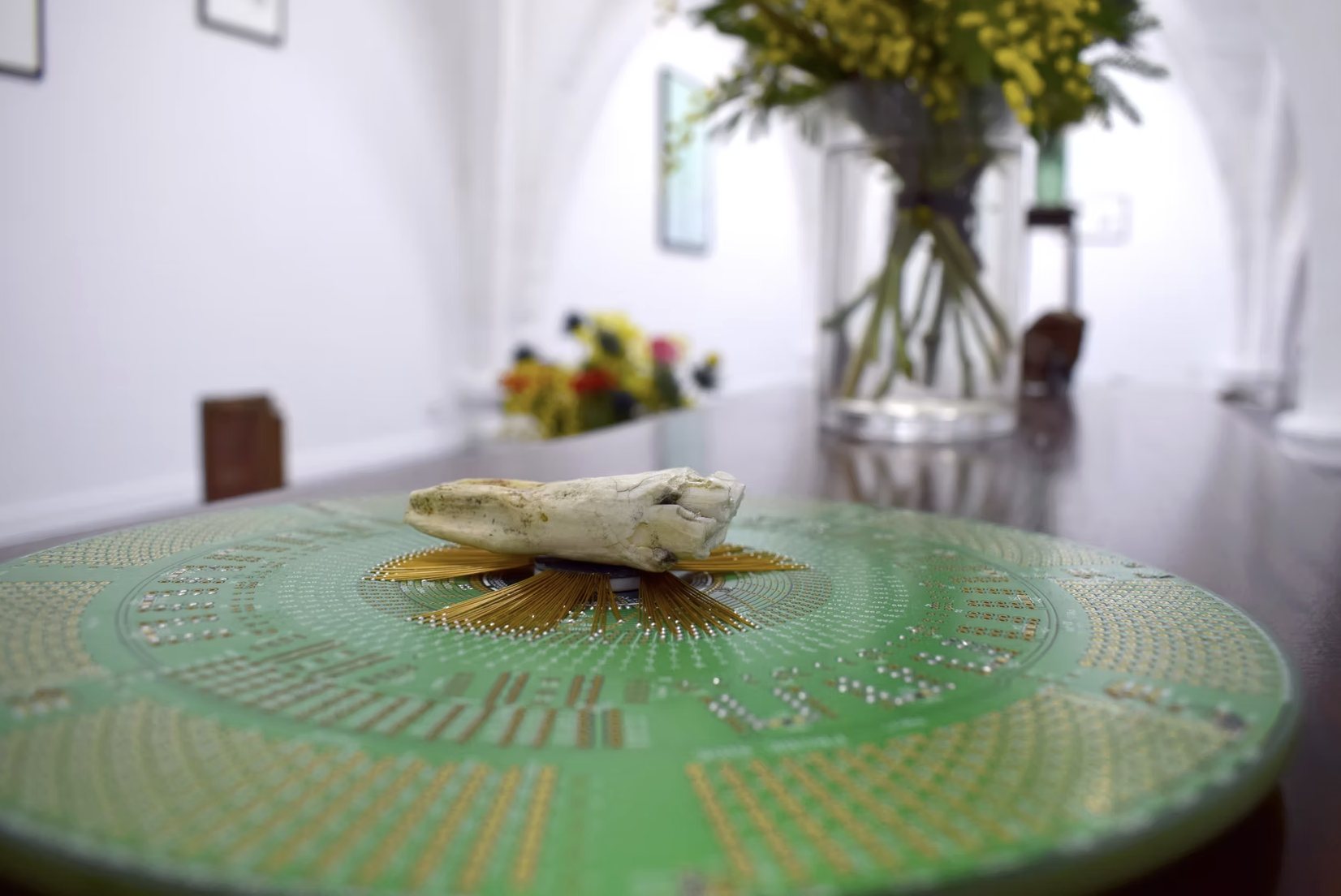
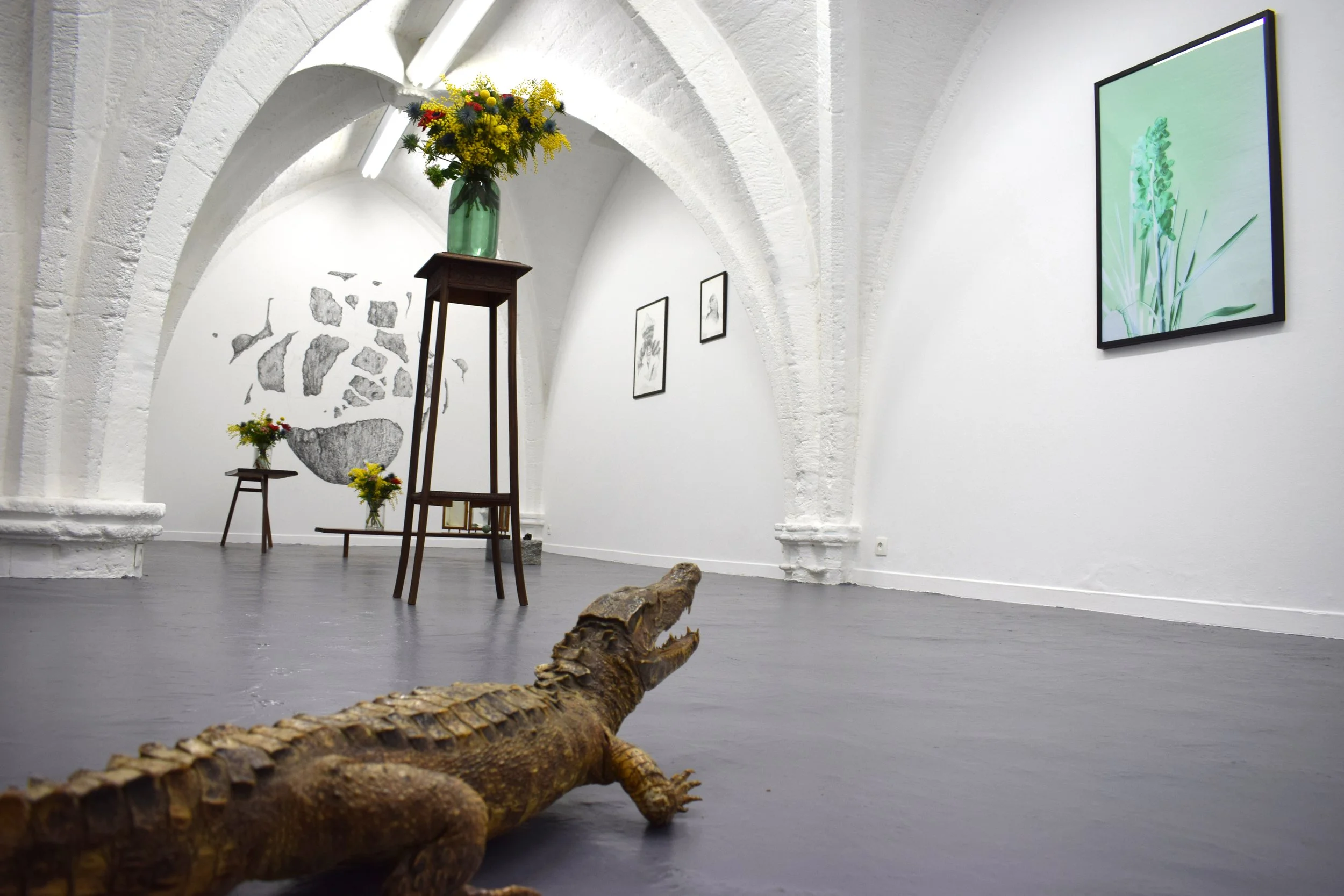
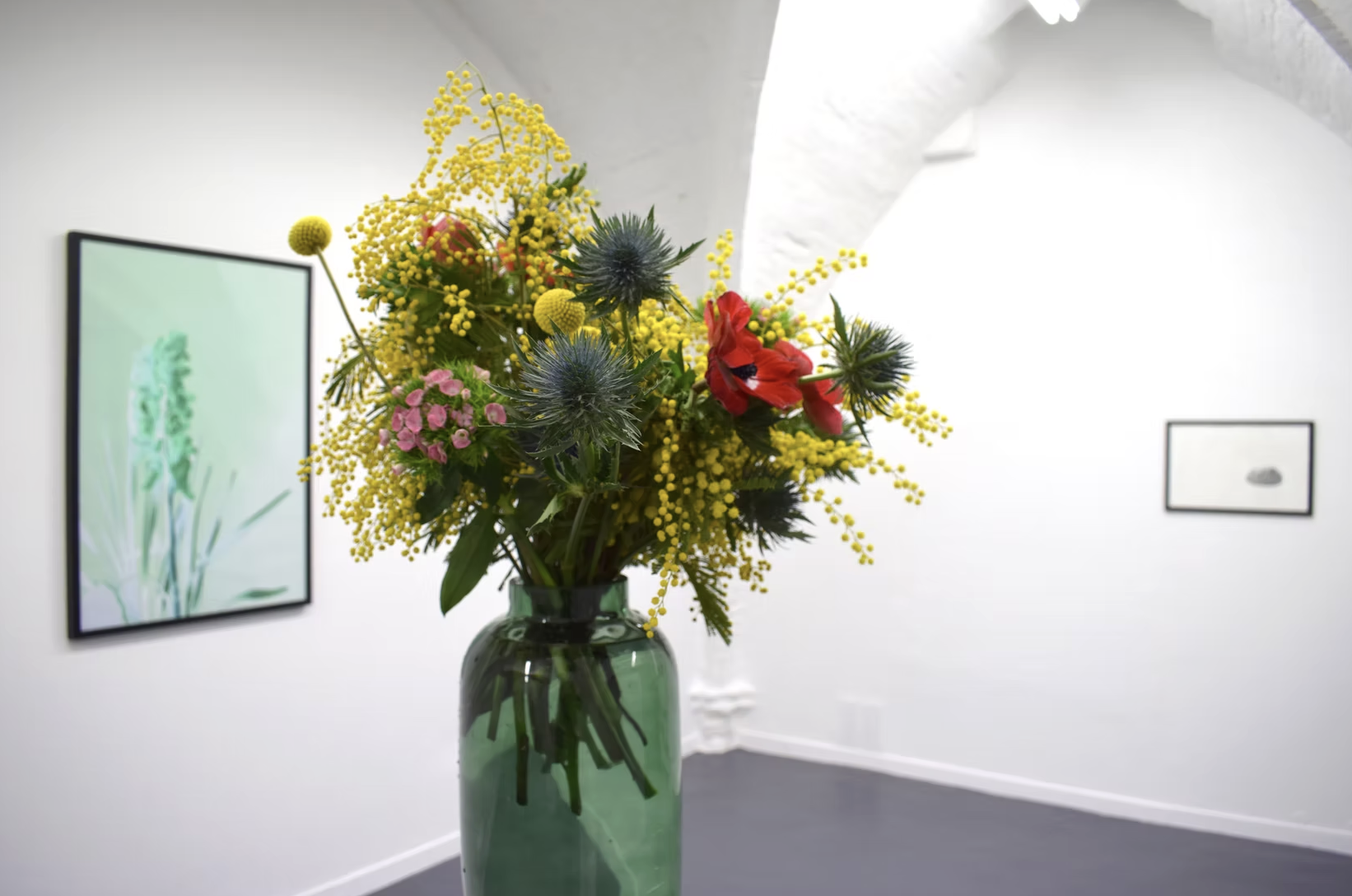
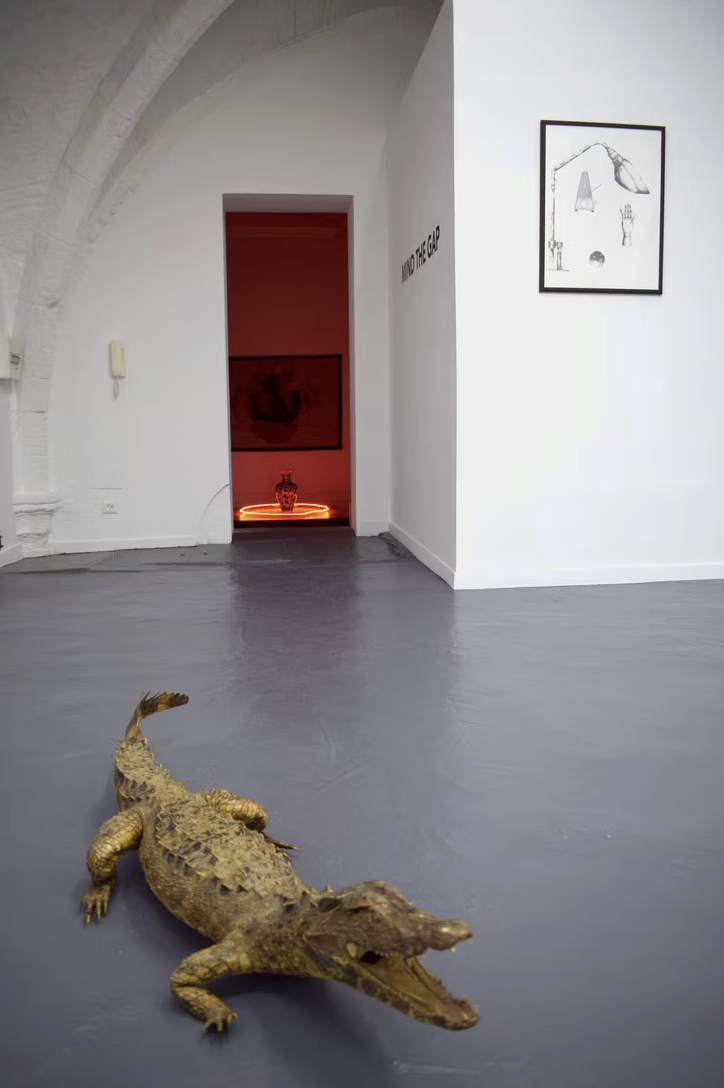
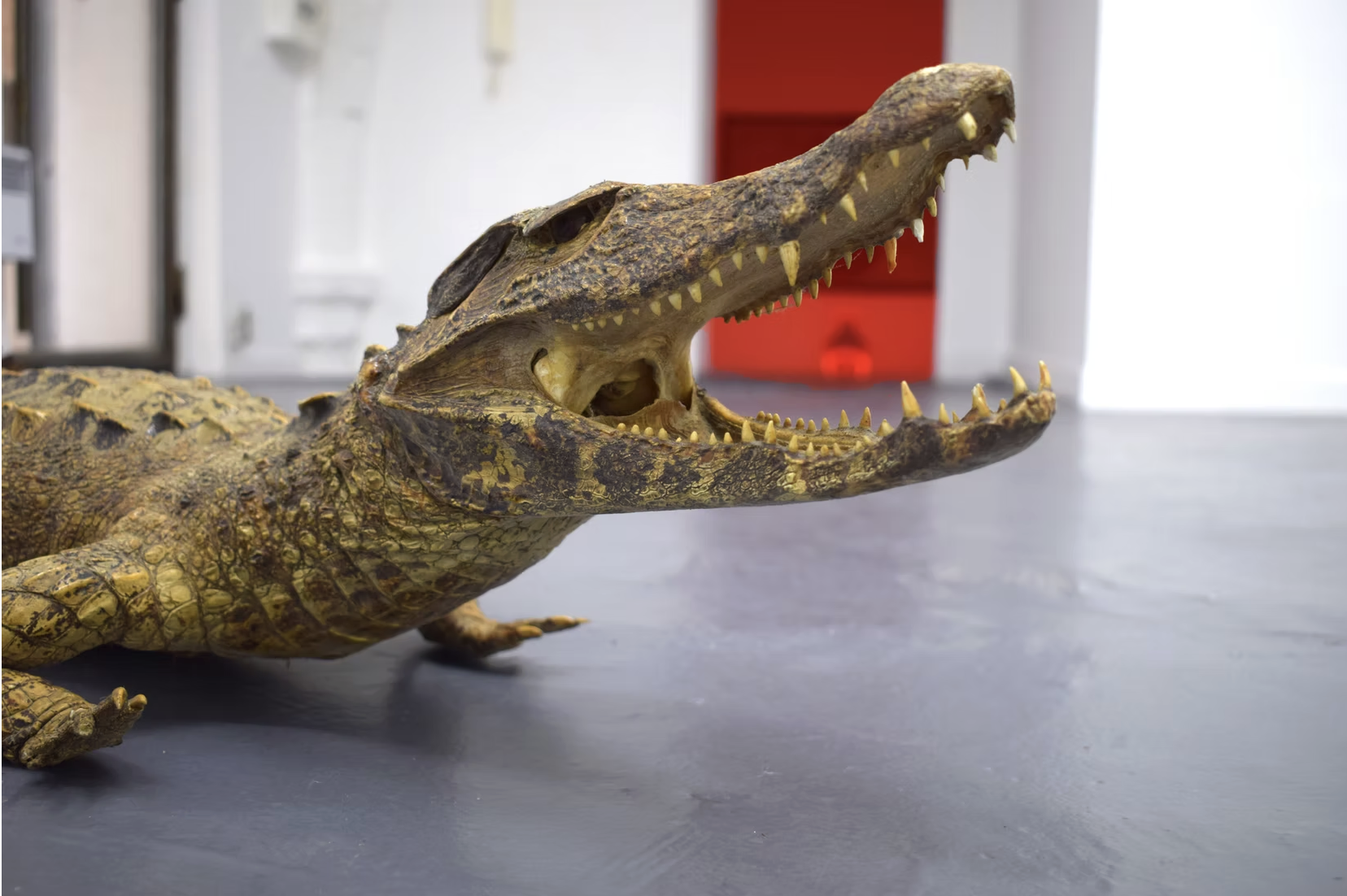
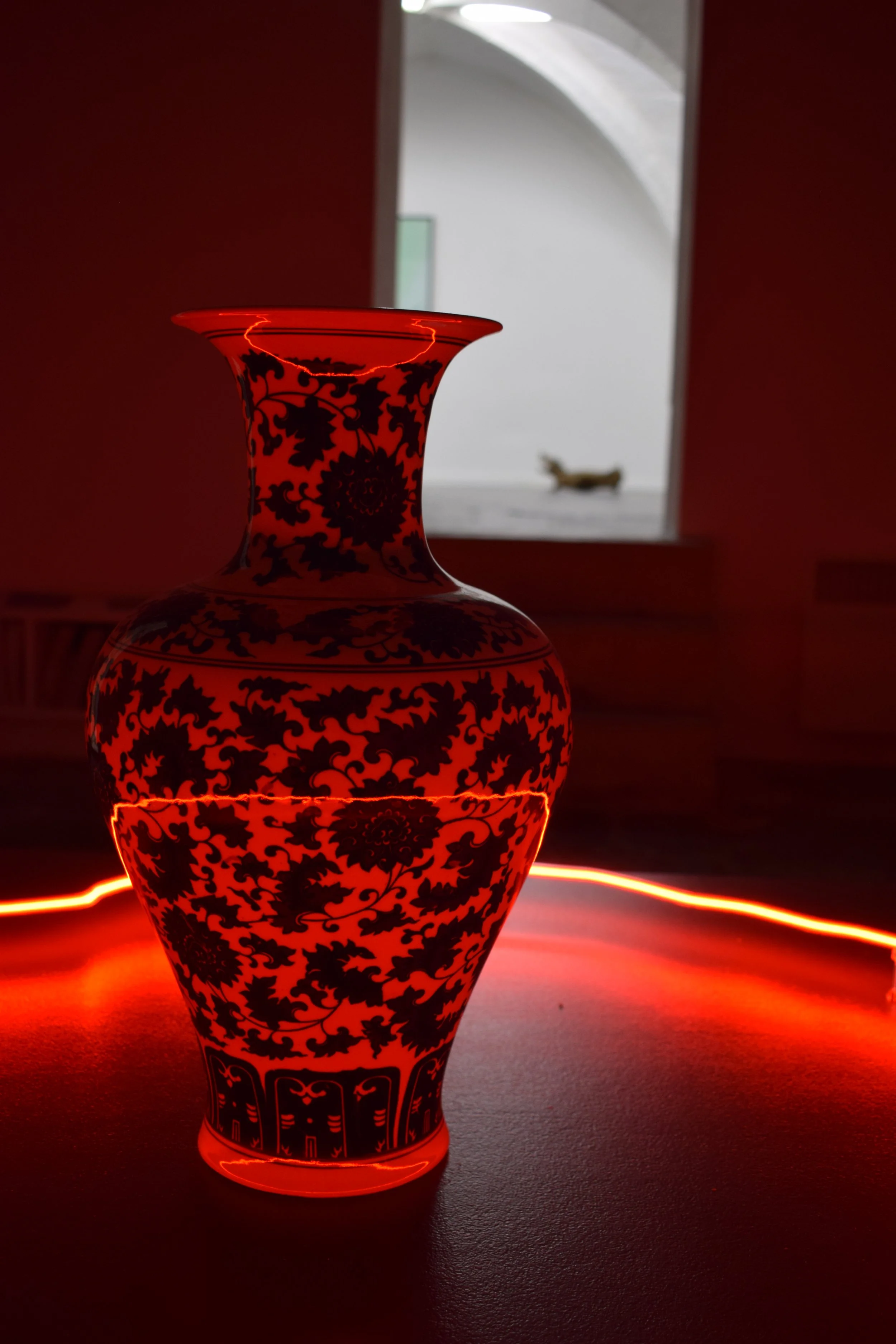
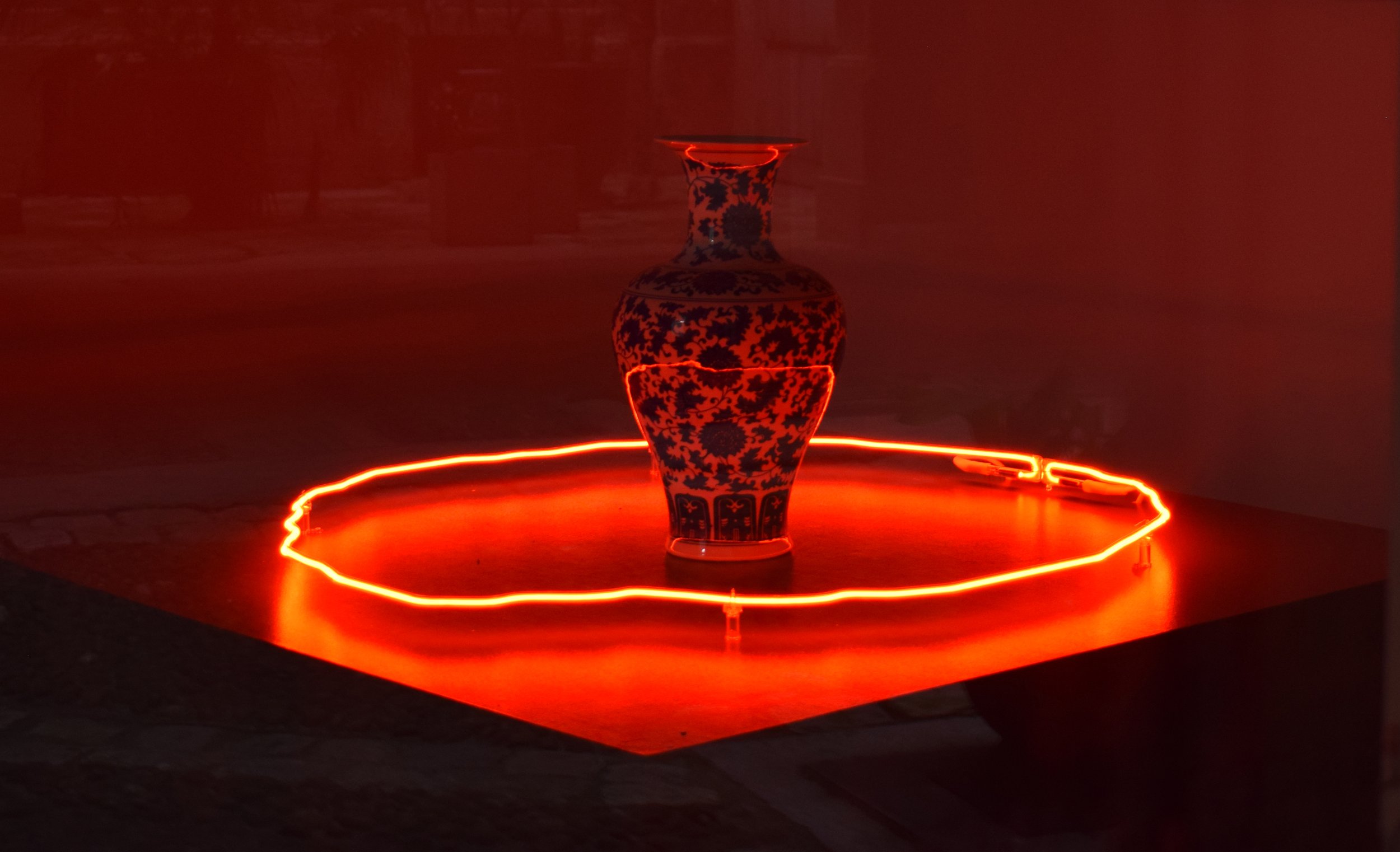
…at the heart of everything there is this void… a waiting, an ellipsis between all things… This is what must be grasped from this work: the drawings or the sculptures seduce immediately and without prejudice (the brilliance of execution and arrangement: Nicolas Aguirre returns to making, to the hand, to labor) but what constitutes them in the background is a flow of energy between forms and symbols, between matter and silhouette: it is a night… The objects—found, arranged, manufactured—form a grammar whose syntax is renewed in stations—a neon, a drawing, a motif reappear from one installation to another, diverted, re-informed by the whole which often, and no doubt always, embraces the intangible: the soul, its commerce, a spiritual and religious history, a personal anecdote, its unconscious. The objects radiate in a metonymic chain proper to the dream and to the association of ideas. An exquisite corpse, unrolled alone.
If the work invents a sensitive conceptual—always at their source there is a historical research, a desire, a performative act, a purification, stages that precede them in their temporary incarnation: the works will mutate later, in other exhibitions, in other arrangements, they are stopped only for an instant: Nicolas Aguirre’s projects can take years—it is through a balance between matter and void. The containers (vases, boxes, drawers…) are omnipresent. In the drawings, one must also appreciate the margins. The neon is a hollow. The vase has burned.
To reveal: as in alchemy, a hidden or renewed meaning of the object and of its association in space and in a context. The exchange: not only of souls but in the installation between the spectator (actor) and the work, digging into the voids, the fractures. The shattered vase becomes heart, flower, petals so that a metaphysics of form and an archaeology of the sensitive may rise. All within a form of purgatory, awaiting future states, above all memorial ones.
The work is in flux; it is no longer a matter of reaching completion but of always digging further. The work is impermanence; it coexists with what precedes it, what surrounds it, what follows it. The images are ghosts, they haunt but do not reappear, they escape repetition. They evade… Nicolas Aguirre’s works, ultimately, are shaped like emotions.
Vincent Honoré